
The Importance of Regular Oil Changes for Your Vehicle

Maintaining a vehicle involves many tasks, but one of the most crucial is ensuring regular oil changes. Engine oil plays a vital role in keeping your car running smoothly by lubricating moving parts, reducing friction, and preventing overheating. Neglecting this simple maintenance can lead to costly repairs and decreased vehicle performance. This article explores why regular oil changes are essential, how they benefit your car, and practical tips to keep your vehicle in top shape.
Why Regular Oil Changes Matter
Regular oil changes are fundamental to vehicle health. Over time, engine oil breaks down and becomes contaminated with dirt, metal particles, and other debris. This dirty oil loses its ability to lubricate effectively, causing increased friction and wear on engine components. Changing the oil at recommended intervals ensures that your engine receives clean, fresh oil that can perform its job efficiently.
Key benefits of regular oil changes include:
Improved engine performance: Clean oil reduces friction, allowing the engine to run smoothly.
Extended engine life: Proper lubrication prevents premature wear and tear.
Better fuel efficiency: A well-lubricated engine uses fuel more efficiently.
Reduced emissions: Fresh oil helps the engine burn fuel cleaner, lowering harmful emissions.
Ignoring oil changes can lead to sludge buildup, overheating, and even engine failure. Therefore, sticking to a regular oil change schedule is a simple yet effective way to protect your investment.

How Often Should You Get Regular Oil Changes?
The frequency of oil changes depends on several factors, including the type of oil used, driving conditions, and your vehicle’s make and model. Traditionally, the rule of thumb was every 3,000 miles or three months. However, advances in engine technology and synthetic oils have extended this interval.
General guidelines for oil change intervals:
Conventional oil: Every 3,000 to 5,000 miles.
Synthetic blend oil: Every 5,000 to 7,500 miles.
Full synthetic oil: Every 7,500 to 10,000 miles.
Always consult your vehicle’s owner manual for manufacturer recommendations. Additionally, if you frequently drive in harsh conditions such as extreme temperatures, dusty roads, or stop-and-go traffic, you may need to change your oil more often.
Regular oil changes not only keep your engine healthy but also help maintain your vehicle’s warranty and resale value. Keeping a record of oil changes can be beneficial when selling your car, as it demonstrates proper maintenance.
Signs You Need an Oil Change
Sometimes, it’s not just about mileage or time. Your vehicle may show signs that it’s time for an oil change. Being aware of these indicators can prevent engine damage.
Common signs include:
Oil change light or check engine light: The dashboard warning is the most obvious sign.
Dark, dirty oil: Fresh oil is amber and translucent. If the oil looks dark and gritty, it’s time for a change.
Engine noise: Increased engine noise or knocking can indicate insufficient lubrication.
Excessive exhaust smoke: Blue or black smoke may signal oil burning or engine problems.
Oil smell inside the car: A strong oil odor could mean a leak or burning oil.
If you notice any of these signs, schedule an oil change promptly. Regular maintenance helps avoid costly repairs and keeps your vehicle running efficiently.
Choosing the Right Oil for Your Vehicle
Selecting the correct oil type is as important as changing it regularly. Oils vary by viscosity, additives, and base type (conventional, synthetic blend, or full synthetic). Using the wrong oil can reduce engine efficiency and cause damage.
Tips for choosing the right oil:
Check the owner’s manual: It specifies the recommended oil viscosity and type.
Consider synthetic oils: They offer better protection, especially in extreme temperatures.
Look for certifications: Oils meeting industry standards (e.g., API, ACEA) ensure quality.
Match oil to driving habits: Heavy-duty or synthetic oils are better for high-performance or heavy-use vehicles.
Using the right oil helps maintain engine cleanliness, reduces wear, and improves fuel economy. When in doubt, consult a trusted mechanic or service center.
How to Maintain Your Vehicle Between Oil Changes
While regular oil changes are critical, other maintenance practices complement engine health. Here are some actionable tips to keep your vehicle in good condition between oil changes:
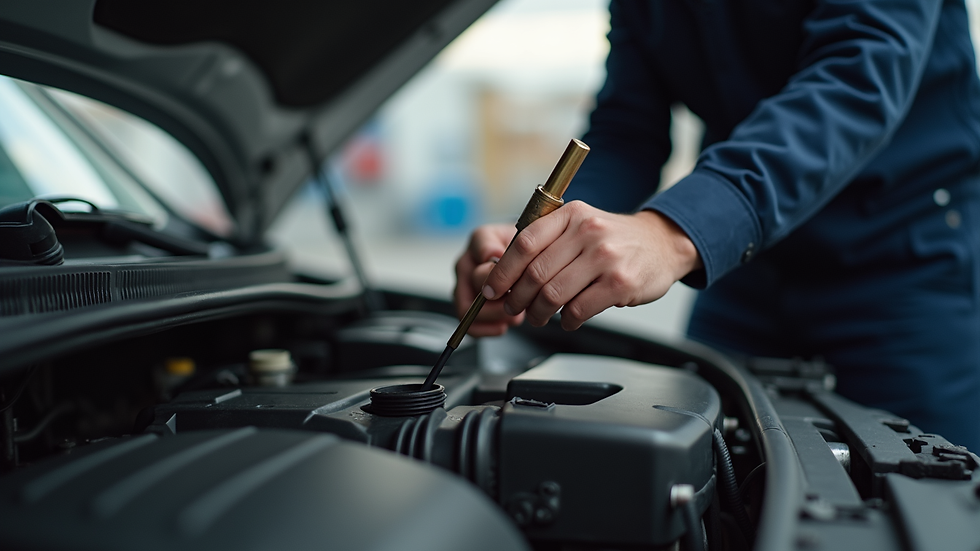
Check oil level regularly: Use the dipstick to ensure oil is at the proper level.
Monitor fluid levels: Keep coolant, brake fluid, and transmission fluid topped up.
Replace oil filter: Change the oil filter with every oil change to trap contaminants.
Keep the engine clean: Remove debris and dirt from the engine bay.
Drive gently: Avoid aggressive acceleration and excessive idling to reduce engine strain.
By combining these habits with regular oil changes, you can maximize your vehicle’s lifespan and performance.
Protect Your Engine with Timely Oil Changes
Regular oil changes are a simple yet powerful way to protect your vehicle’s engine. They ensure proper lubrication, reduce wear, and improve overall performance. By following manufacturer recommendations, recognizing signs of oil degradation, and choosing the right oil, you can avoid costly repairs and enjoy a smoother driving experience.
Investing time and effort into regular oil changes is a smart decision that pays off in reliability and savings. Whether you do it yourself or visit a professional service, make oil changes a priority in your vehicle maintenance routine.
For more detailed information on vehicle maintenance, visit this helpful resource.
Drive smart, maintain regularly, and keep your engine running like new.


Comments