
Common Issues Every Car Owner Should Know About

Owning a car is a sign of independence and freedom, but it also comes with the responsibility of maintenance and repair. Cars do not run flawlessly forever; they require regular attention to keep them in top shape. Understanding common issues that can arise is key to being an informed owner. Here are some frequent problems that every car owner should be aware of.
Understanding Regular Maintenance and Car Repair
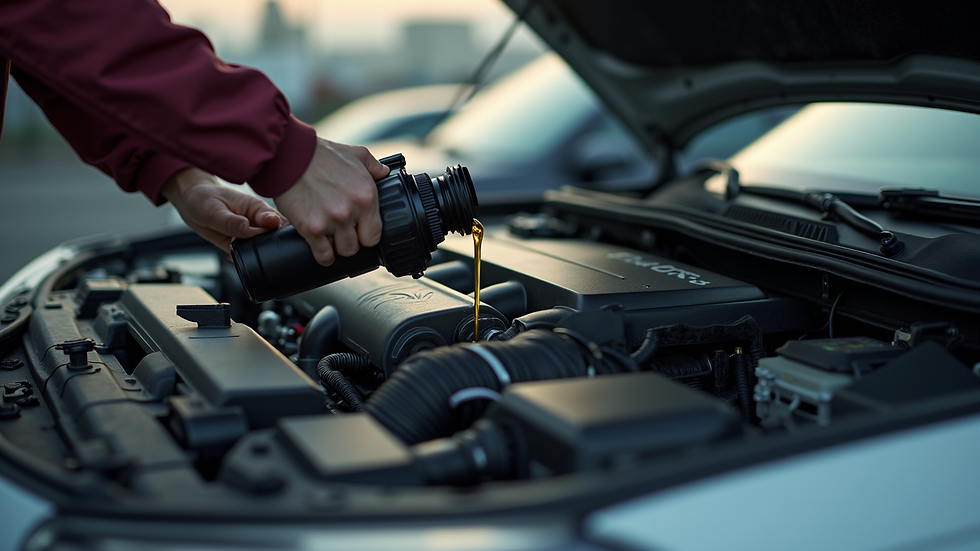
Routine maintenance is crucial in ensuring that your vehicle remains in good condition. Many car owners neglect basic services such as oil changes, tire rotations, and brake inspections. Neglecting these tasks can lead to more severe problems down the line. For instance, failing to change your oil can result in engine damage, which is far more expensive to repair than regular oil changes.
An oil change should be done approximately every 5,000 to 7,500 miles, depending on your vehicle. Staying on top of maintenance helps you avoid costly repairs and ensures safety on the road.
Tire Troubles
Tires are one of the most essential components of your car, yet they often get overlooked. Many car owners do not realize the importance of having properly inflated and well-maintained tires. Incorrect tire pressure can lead to poor handling, decreased fuel efficiency, and increased tire wear.
Additionally, regularly checking the tread depth is vital for safe driving. A simple penny test can help you determine if your tires need replacing; insert a penny into the tread with Lincoln's head facing down. If you can see all of Lincoln's head, it’s time for new tires.

Brake System Issues
Another common issue is brake problems. Your brakes are critical for ensuring safety while driving. Signs of brake issues can include squeaking or grinding noises, a pulsating brake pedal, or a warning light on your dashboard. Ignoring these signs can lead to serious accidents and costly repairs.
Regular inspection of your braking system can help catch these issues early. Brake pads usually need to be replaced every 30,000 to 70,000 miles, but this can vary based on usage and driving conditions. Always consult your vehicle's manual for specific guidance.

Electrical System Failures
Modern vehicles are equipped with sophisticated electrical systems that control everything from the lights to the entertainment systems. Issues can arise that may lead to a dead battery or malfunctioning electrical components.
Common signs of electrical problems include flickering dashboard lights, trouble starting your car, or dead battery warnings. If your battery is more than three years old, it might be time to have it checked. Keeping jumper cables in your car can also help you deal with a dead battery in emergencies.
Engine Trouble
Engine troubles are perhaps the most daunting issue a car owner can face. Symptoms like a check engine light, strange sounds, or decreased performance should not be ignored. Engine problems can stem from various issues, including overheating, poor fuel quality, or worn-out parts.
If you notice any abnormal behaviors from your engine, it is crucial to take your car to a qualified technician. Ignoring engine problems can lead to costly repairs. A trusted service can handle any necessary car repair needs you might have, ensuring all issues are addressed promptly.
Fluid Leaks
Fluids are essential for your car to operate smoothly. Common fluids include oil, transmission fluid, coolant, and brake fluid. If you notice puddles under your vehicle, it could indicate a leak.
Different colored fluids indicate different issues:
Red fluids typically suggest a transmission or power steering fluid leak.
Yellow or green fluids might point to a coolant leak.
Brown or black fluids can indicate oil leaks.
Monitoring your car’s fluid levels regularly will help you catch potential problems early and avoid significant repairs.
Summary of Car Ownership Responsibilities
Being a car owner comes with its set of challenges. Understanding common issues and recognizing their symptoms is critical for ensuring your vehicle remains reliable and safe.
Regular maintenance like oil changes and brake inspections is essential.
Keep a close eye on your tires and ensure they are well-maintained.
Don’t ignore electrical problems as they can leave you stranded.
Be proactive about engine troubles to prevent costly repairs.
Monitor fluid levels to avoid potential leaks.
Taking these steps will not only prolong the life of your vehicle but also keep you safe while driving. Remember, being informed and proactive is key to being a responsible car owner.


Comments